The vast majority of people have a smooth recovery process after getting a tooth removed. In rare cases, though, post-op complications occur. The most common issue that arises after extractions is known as dry socket. What exactly is this condition? What can you do to prevent it? How can you manage it if it does occur? This blog post explains what you should know.
What Is Dry Socket?
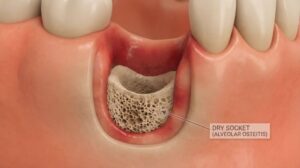
Dry socket, also known as alveolar osteitis, is a painful condition that can develop after a tooth extraction. When your dentist or oral surgeon removes a tooth, a blood clot typically forms at the site to protect the bone and nerves underneath. If this clot is dislodged or fails to form, the underlying bone and nerves become exposed, which leads to discomfort and delays healing. Dry socket usually appears a few days after the extraction and is most common with wisdom teeth removal.
Preventing Dry Socket
You can take steps to reduce your risk of dry socket after a tooth extraction. Here are some key guidelines to keep in mind:
- Avoid using straws, since the suction can dislodge the blood clot.
- Do not smoke or use tobacco products; they interfere with the body’s healing process.
- Stick to soft foods and avoid chewing near the extraction site.
- Keep your mouth clean by gently rinsing with salt water, but wait until your dentist says it is safe.
- Do not drink alcohol.
- Refrain from vigorous physical activity for the first few days.
- Follow all post-operative instructions provided by your dental care team.
Managing Dry Socket
If you notice symptoms of dry socket, such as pain, a foul odor or taste, or a visibly empty tooth socket, you should reach out to your dentist or oral surgeon right away. Treatment focuses on pain relief and supporting healing. Your care team may place a medicated dressing in the socket to ease discomfort and protect the exposed area. You may also receive a prescription for pain medication or be advised to use over-the-counter remedies. Keeping the area clean and avoiding irritating foods or activities is important. Most cases resolve within a week or so with proper care.
Dry socket is relatively rare, and if it does occur, it is highly treatable! Do not let fear of it prevent you from receiving necessary dental care.
Meet the Practice
Our Houston practice is home to four highly skilled oral surgeons who have decades of combined experience and a long list of accomplishments to their names. Our team is able to provide tooth extractions, dry socket care, and a wide range of other services. To learn more about us or to request a consultation, contact Piney Point Oral & Maxillofacial Surgery in Houston at 713-783-5560.